
Engineered Fiber Composite Repair for Petrochemicals, Oil & Gas, Power
Hot-work-free, no-shutdown, ambient-cure carbon-fiber, aramid and S-glass repair for pressure pipes, pressure vessels and structural steel. Engineers reply within 24 hours.
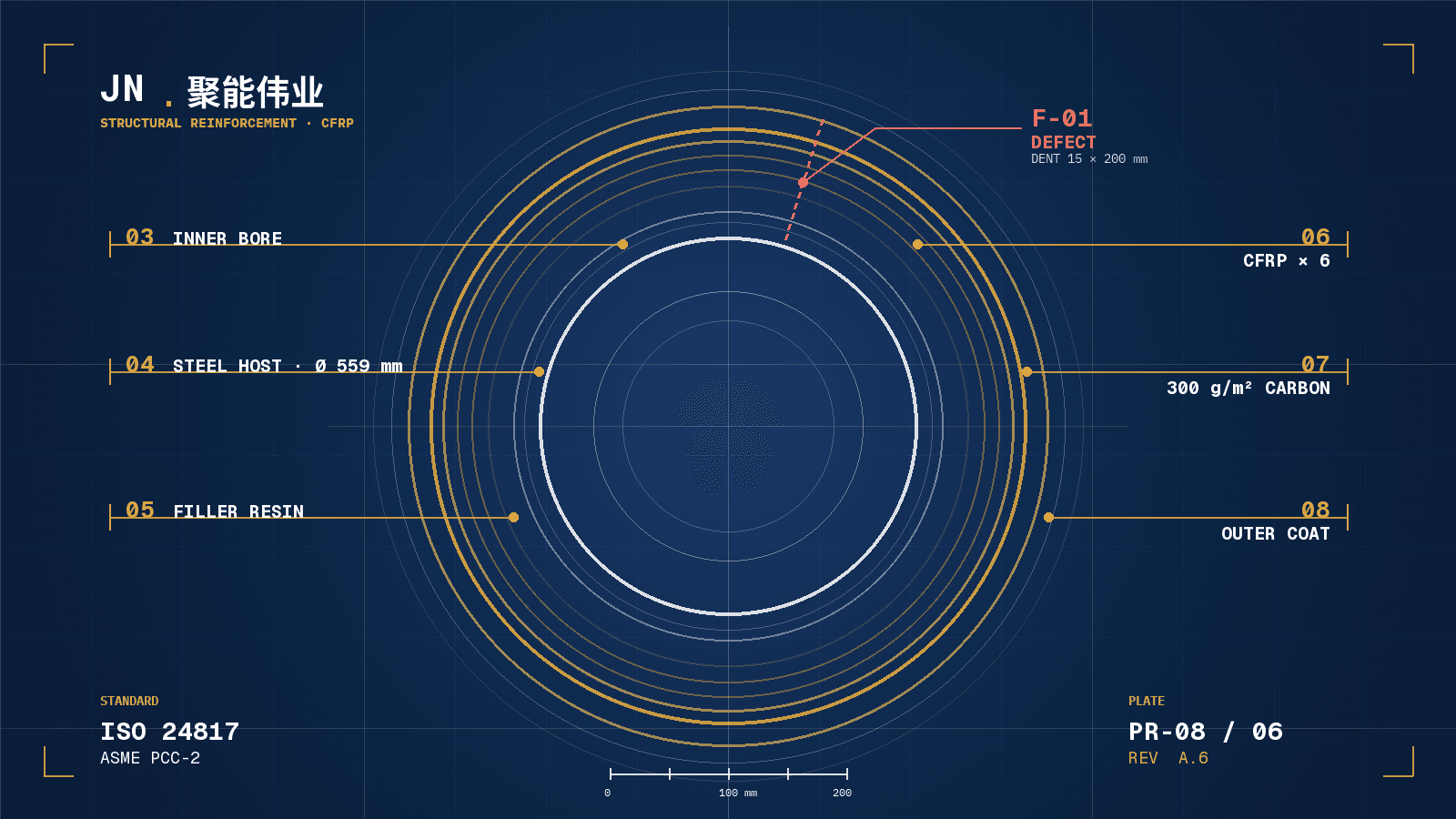
Carbon Fiber Tensile
Design Service Life
Typical Repair Window
Engineer Response
Three High-Performance Fiber Composite Systems
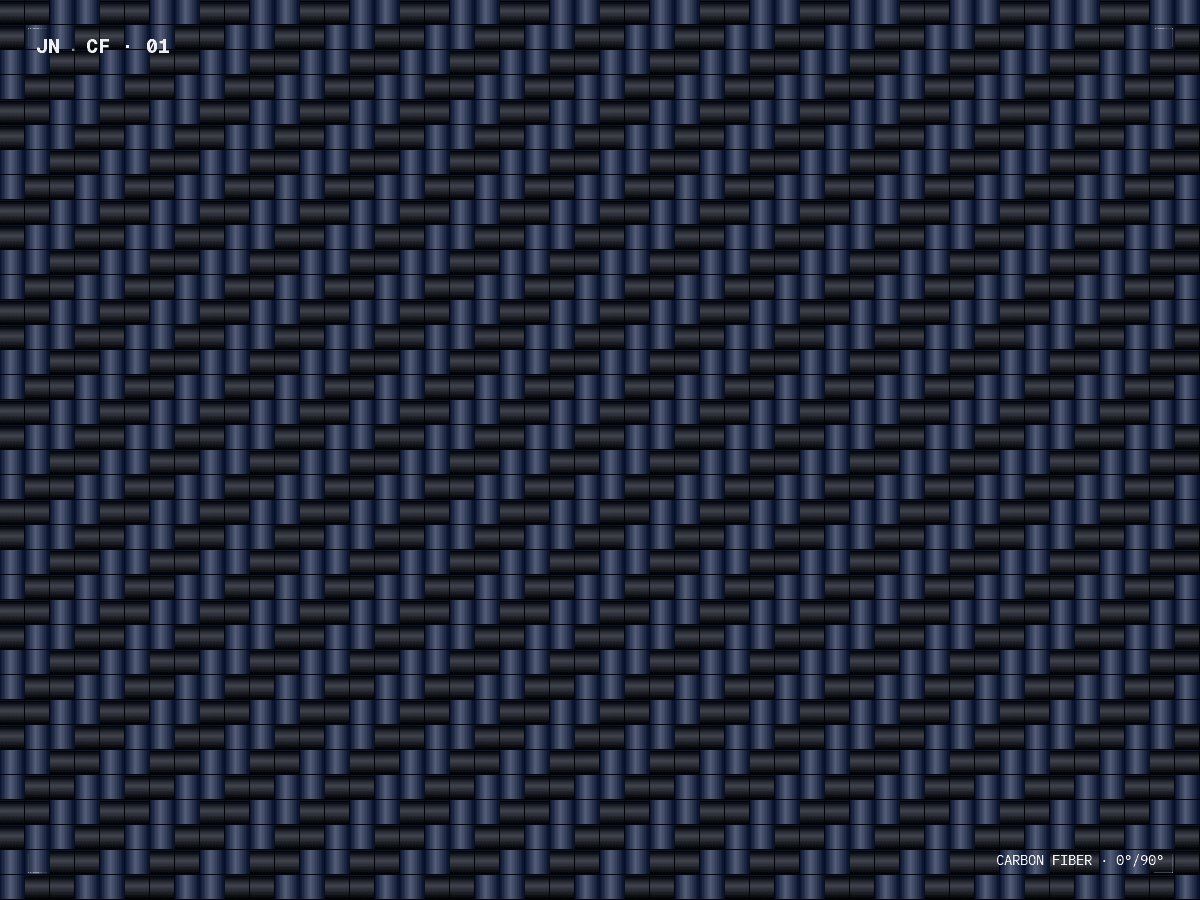
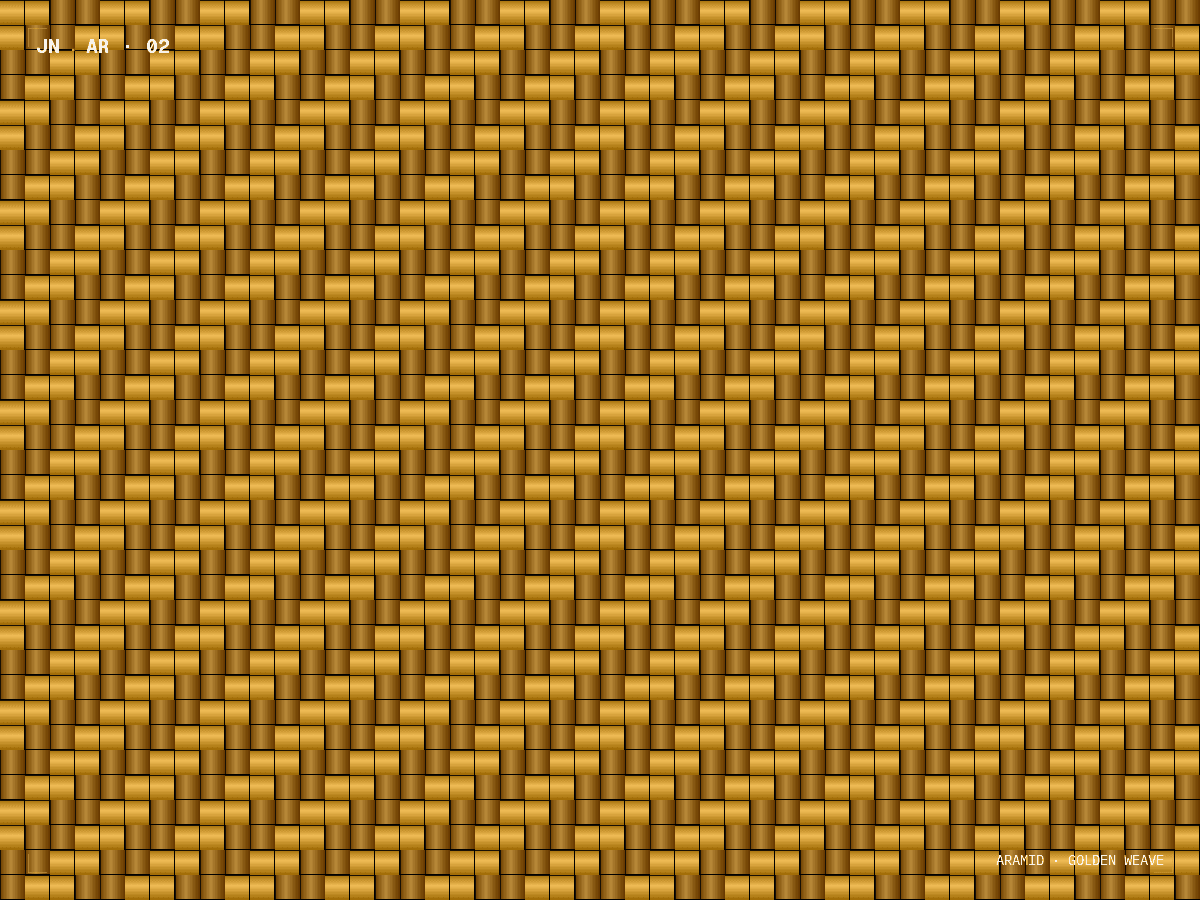
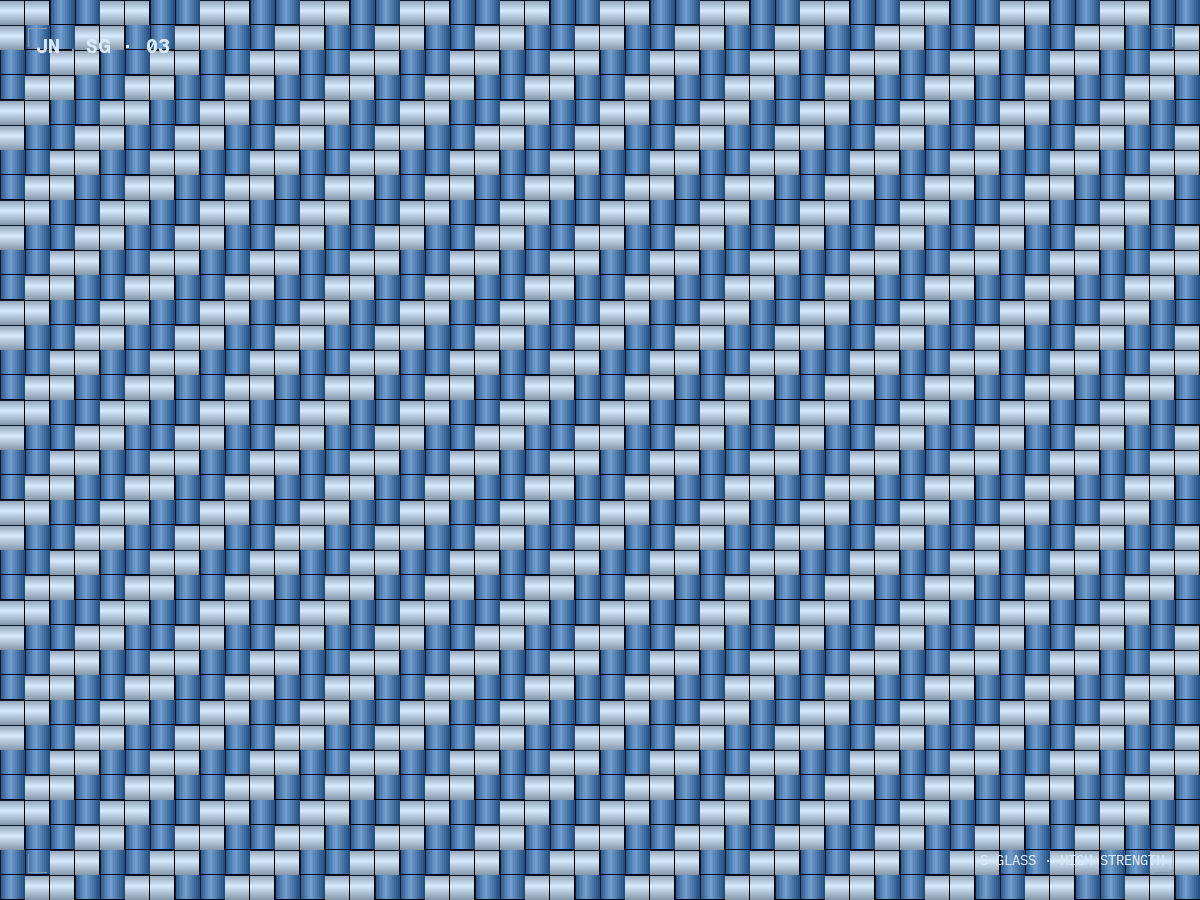
Carbon-fiber, aramid and S-glass cloth — paired with repair compound and epoxy impregnant — for engineering-grade repair.
Four-Step Field Reinforcement Workflow
From inspection to back-fill — every step is controlled, recorded and traceable, mapped to clear acceptance criteria.
Inspect & Assess
Survey defect type, depth, pressure class; deliver a reinforcement plan and FEA validation
Surface Prep
De-rust to St3, clean and dry; level the defect with dedicated repair compound
Composite Wrap
Resin impregnation and multi-layer fiber wrap, ambient cure, hot-work free throughout
Coat & Restore
Apply outer corrosion protection, back-fill, restore normal operating pressure
Built for Heavy Industry and Process Plants
Repair of in-service corrosion, mechanical damage, weld defects and pressure-rating uprating for pressure pipes, vessels and structural steel.
Oil & Petrochemical
Refinery pipelines & tanks
Oil & Gas Transport
Long-haul corrosion repair
Chemicals
Corrosive-media pipework
Power Generation
Cooling water, steam loops
Steel & Metallurgy
High-temp pipework
Municipal & Ports
Gas lines, harbour pipework
Recent Field Documentation
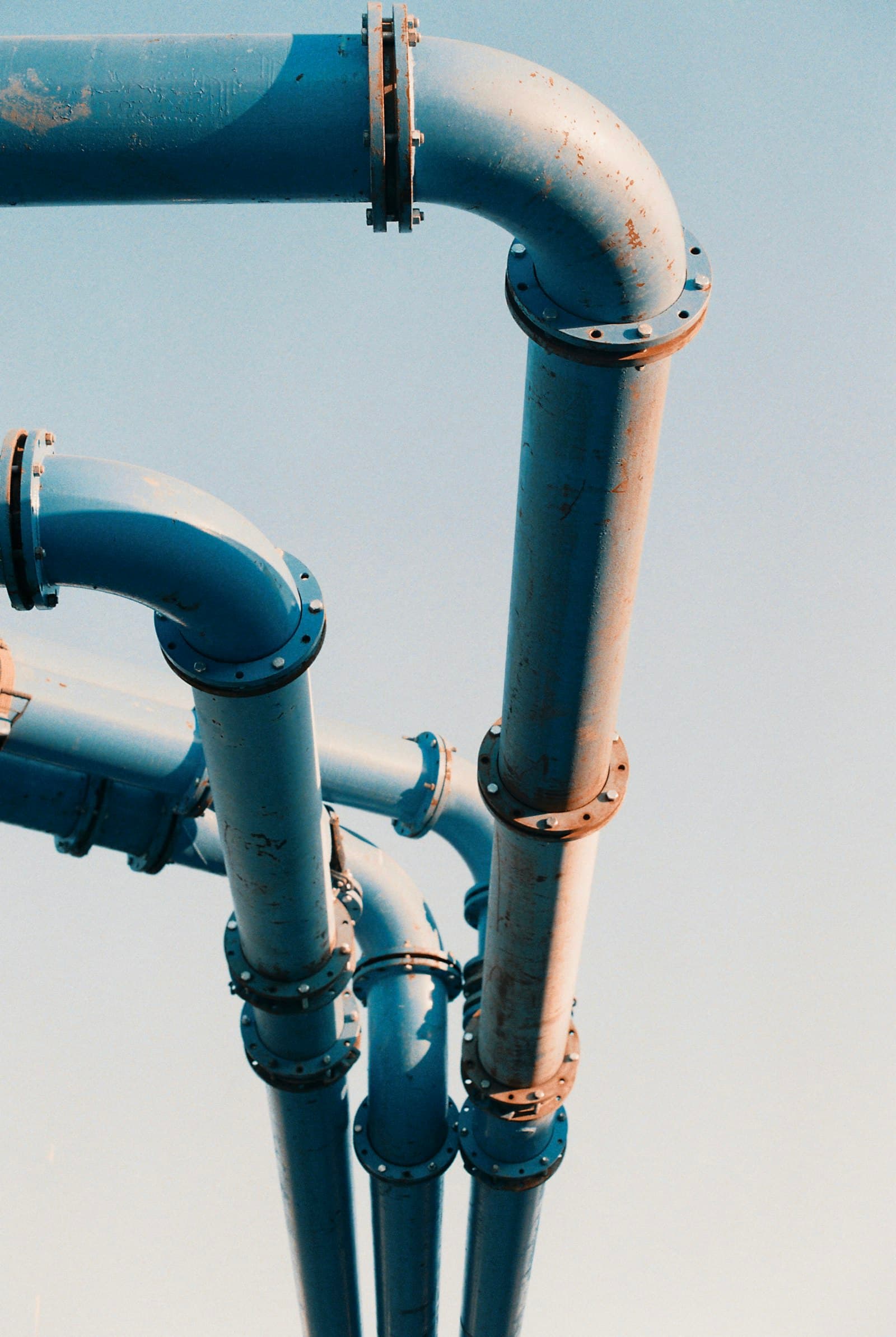
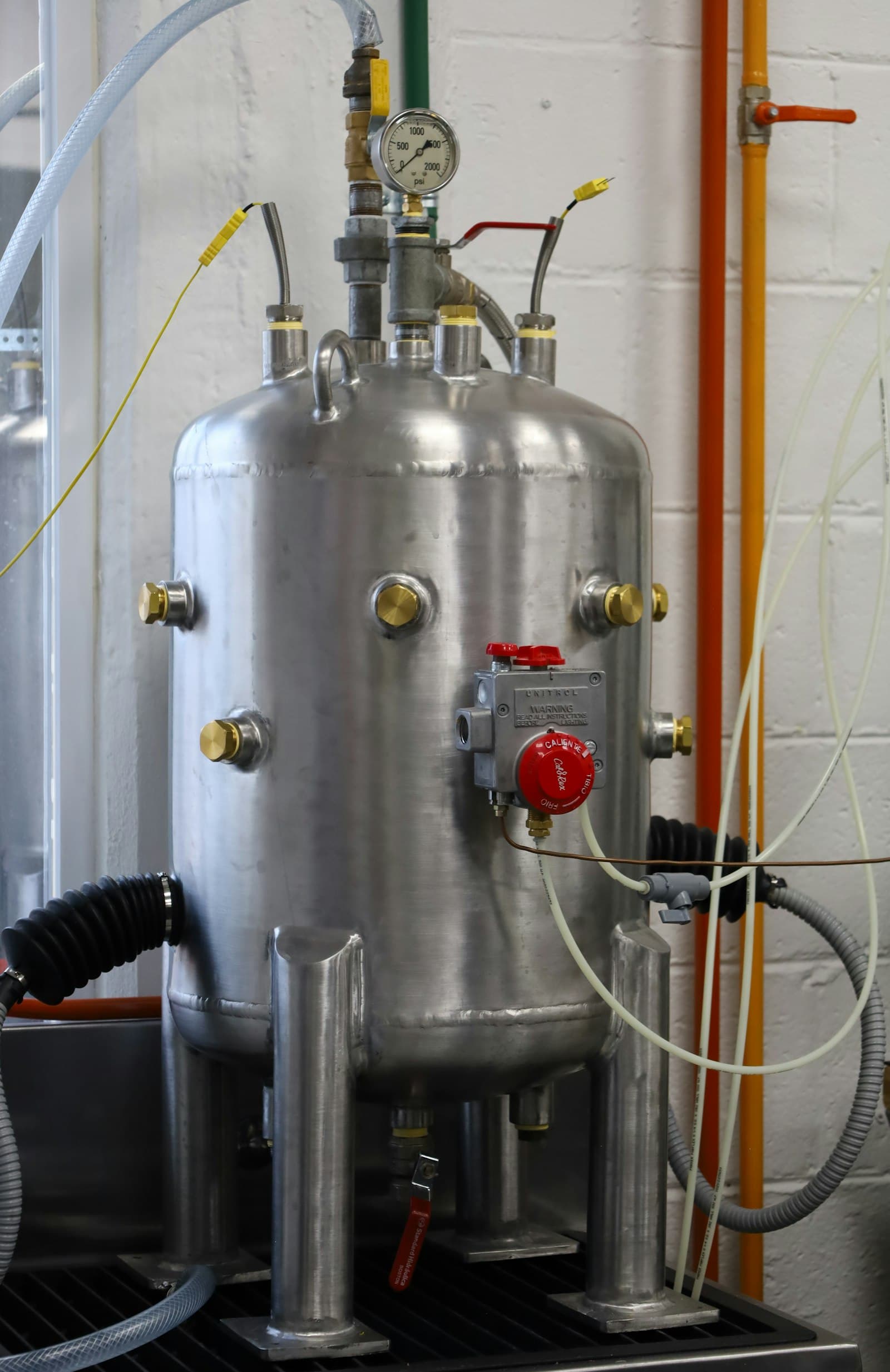
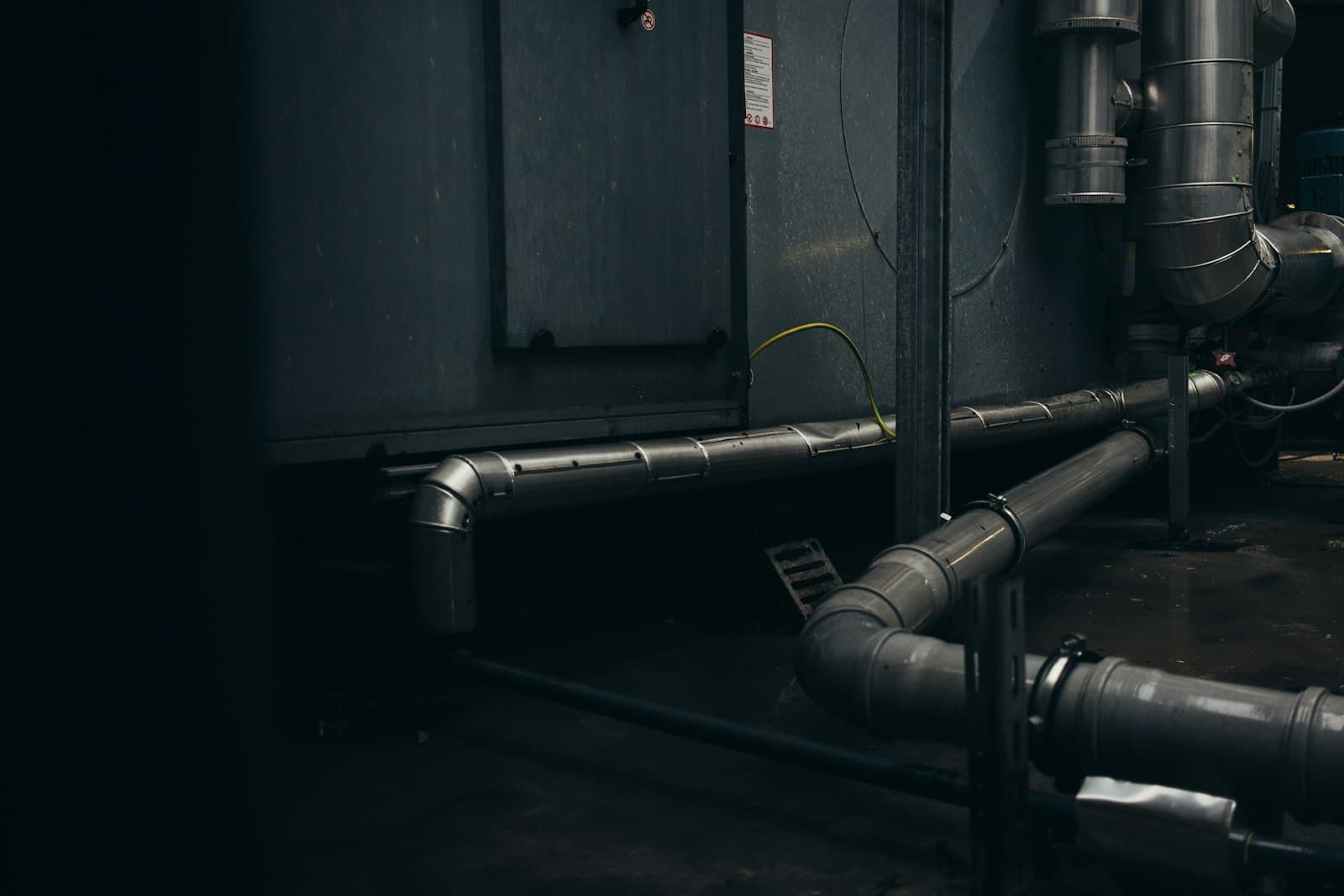
Practice and Method Notes
What engineers most often ask
Covering hot-work safety, design life, mechanical performance, install window and target industries — every number traceable to test data or recognised standards.
- QIs Juneng Weiye's carbon-fiber composite repair really hot-work-free?
- Yes. The system uses a two-component ambient-cure epoxy impregnant plus carbon-fiber, aramid or S-glass cloth wrapped circumferentially. No welding, no open flame. The method follows ISO 24817 and ASME PCC-2. In flammable or explosive environments (refineries, urban gas networks), repairs can be performed while the line stays live under pressure.
- QWhat is the design service life of a CFRP repair?
- Juneng Weiye's carbon-fiber composite repair system has a 50-year design service life. The figure follows ISO 24817 long-term creep requirements and is corroborated by the company's own hygrothermal-aging and shear-tension test data on the matched epoxy impregnant.
- QWhat is the tensile strength of the carbon-fiber cloth, and why can it replace steel pipe wall?
- Our bidirectional carbon-fiber cloth has tensile strength ≥ 3500 MPa and elastic modulus 2.3×10⁵ MPa — very close to steel's 2.07×10⁵ MPa. This close modulus match means the composite layer deforms in lock-step with the host pipe under internal pressure, effectively taking over the hoop load that the lost wall used to carry.
- QHow long does a typical repair take? Do we need to shut down?
- Field repair window is typically 1–2 hours (excluding surface preparation). Ambient cure to service strength takes about 12 hours. For non-leaking defects (corrosion, mechanical damage, weld defects), repair runs while the line remains pressurised — zero shutdown. That's the core economic case versus welded repair, which requires depressurisation, shutdown, and hot work.
- QWhich industries and defect types is this suitable for?
- Refinery and petrochemical pipework, oil-and-gas long-haul lines, urban gas, corrosive-media chemical pipework, power-plant cooling water and steam loops, steel-mill high-temperature pipe, municipal and harbour pipework. Handles corrosion, mechanical damage, weld defects, dents, wall thinning; also full-section pressure uprating.
- QWhat products do you make?
- Three core product lines: 1) Carbon Fiber Cloth — tensile ≥ 3500 MPa, the workhorse; 2) Aramid Fiber Cloth (PipeFiber system) — golden, outstanding impact and dynamic-fatigue performance, non-conductive and non-magnetic; 3) S-Glass Fiber Cloth — 30% higher tensile than E-glass, 350 ℃ service temperature, electrically insulating. All three ship with matched modified-epoxy impregnant and repair compound.
- QHow do I reach an engineer?
- Call +86 135 2160 9697, or submit project details (pipe specification, defect type, pressure class, service temperature, coating type) at /en/contact. An engineer replies with a proposal within 24 working hours. Finite-element validation is available on request.
Your reinforcement plan starts with one engineering conversation
Send project details or call +86 135 2160 9697 — engineers reply with a plan and FEA validation within 24 hours.